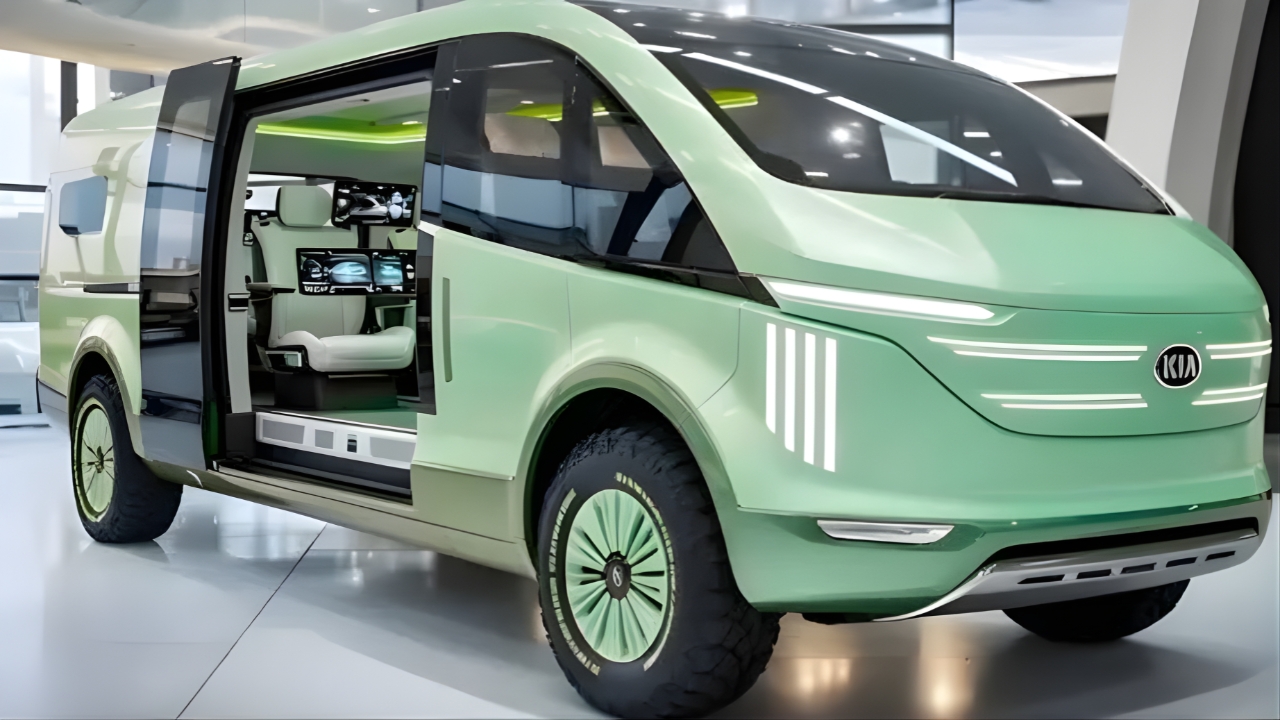
The Kia Camper van segment is rapidly evolving as more travelers seek vehicles that combine adventure capability with everyday comfort. Among the most exciting new entries for 2026 is the Kia Camper, a compact yet capable van that delivers surprising luxury, intelligent features, and strong mileage all at an accessible price point.
Kia’s latest offering targets weekend explorers, digital nomads, and families looking to enjoy open‑road freedom without the typical high costs associated with large motorhomes. Packed with smart technology, clever interior design, and efficient powertrain options, the 2026 Kia Camper is poised to shake up the compact camper market.
A Fresh Take on Camper Van Design
At first glance, the 2026 Kia Camper stands out with its compact yet purposeful design. Built on Kia’s latest modular van architecture, it balances everyday usability with adventure readiness. Its exterior features a tall roofline for generous interior headroom, large sliding doors for easy access, and rugged styling cues that hint at its outdoor capabilities. The design is both functional and stylish, with aerodynamic lines that make city driving and highway travel equally comfortable.
While larger motorhomes can feel unwieldy, this camper’s compact footprint makes it easy to maneuver in urban settings, fit into standard parking spaces, and explore narrow backroads with confidence. Roof rails and optional accessories extend its practicality, allowing owners to mount gear like bicycles, kayaks, or rooftop cargo boxes for longer expeditions.
Interior Comfort That Redefines Affordable Luxury
Step inside the Kia Camper and the sense of space is immediately apparent. Thanks to the thoughtful use of vertical space and smart layout, the interior feels much larger than its compact exterior suggests. Large windows flood the cabin with natural light, while durable yet comfortable materials make extended trips pleasant for occupants of all ages.
The camper’s interior is built for versatility. Rear seating can fold flat to create a full‑length sleeping area that comfortably accommodates two to three people, and higher trims offer expandable sleeping options using a pop‑top or rooftop bunk. A foldable dining table makes mealtime or remote work sessions easy, turning the cabin into a flexible living space.
Storage is cleverly integrated throughout the van. Under‑bed compartments, overhead shelves, and modular cabinets help keep gear organized without cluttering living areas. Optional upgrades such as a compact kitchen module with induction cooktop, mini‑fridge, and sink bring a new level of convenience to life on the road, enabling campers to prepare meals just as easily as they would at home.

Advanced Tech for Modern Adventures
Technology plays a major role in what makes the 2026 Kia Camper feel modern and user‑friendly. At the heart of the cabin is a large central touchscreen that controls infotainment, navigation, and vehicle systems. Wireless Apple CarPlay and Android Auto keep smartphone connectivity seamless, while integrated navigation includes trip planning and route optimization for long journeys.
A digital instrument cluster displays important driving information, including trip data, fuel efficiency, and energy use for hybrid or electric versions. Voice‑activated controls simplify climate adjustments and entertainment functions, allowing drivers to stay focused on the road. Some models may also offer vehicle‑to‑load power management, which lets owners power small appliances directly from the camper’s batteries—a feature especially useful for off‑grid camping.
Safety technology is comprehensive for this class of vehicle. Standard and available systems include adaptive cruise control, blind‑spot monitoring, lane‑keeping assist, 360‑degree camera views, and automatic emergency braking. These features provide peace of mind whether navigating crowded city streets or winding mountain roads with a heavier camper load.
Powertrain Options: Efficient Performance and Mileage
One of the Kia Camper’s most appealing strengths is its efficiency, especially compared to larger RVs that often deliver poor fuel economy. The camper is expected to offer multiple powertrain options, including gasoline, hybrid, and potentially full‑electric configurations depending on market availability.
Gasoline and hybrid variants are anticipated to deliver fuel economy figures that far surpass traditional motorhomes, with estimates in some reports suggesting high‑20s to low‑30s miles per gallon on combined driving cycles. This efficiency makes the Kia Camper ideal for long trips where fuel stops are infrequent, reducing overall travel costs.
Electric variants, built on modular EV platforms like Kia’s PV5 architecture, promise real‑world ranges of around 200 to 250 miles on a full charge, depending on battery size and camper load. In lower‑speed, scenic driving, the range can exceed expectations due to efficient energy management systems. These EV configurations also benefit from significantly lower running costs per mile, especially in regions where charging infrastructure is well developed.
Comfort and Practicality for Daily Life and Travel
Despite its focus on adventure, the Kia Camper does not compromise on day‑to‑day practicality. The suspension is tuned for a smooth ride, absorbing bumps and road imperfections without sacrificing control. Steering remains responsive, and the camper’s compact size enhances maneuverability in urban areas and tight campgrounds alike.

The camper’s layout makes it suitable for daily driving, weekend getaways, and extended travel excursions. With efficient insulation, climate control for both driver and living spaces, and noise‑reducing materials, the interior remains comfortable even during long highway stretches. Features such as plenty of USB‑C ports and built‑in Wi‑Fi help keep devices charged and connected no matter where the road leads.
Practical Storage and Customization Options
Kia’s approach to interior space emphasizes flexibility. Storage compartments are cleverly integrated so that travel gear, life essentials, and personal items all have dedicated spots. Fold‑away furniture and modular cabinetry allow owners to tailor the space to their specific needs—whether that’s maximizing sleeping quarters, expanding storage, or creating a mobile workspace.
Roof rails and optional exterior accessories further increase utility by allowing buyers to install additional cargo boxes, bike racks, or rooftop tents. These options expand the camper’s versatility for families, adventurers with outdoor gear, and digital nomads who may need extra space for work equipment or longer journeys.
Mileage and Long‑Distance Travel Capabilities
One of the Kia Camper’s biggest selling points is its fuel or energy efficiency relative to traditional RVs. Gas and hybrid versions offer mileage figures that significantly outperform larger, heavier motorhomes, making long drives more practical and affordable. Estimates put combined fuel economy in ranges that many camper buyers will find attractive, especially when planning cross‑country trips.
Electric models emphasize efficiency even further, with real‑world ranges approaching 200 miles or more between charges. While this may not match the range of large diesel motorhomes in distance per fill or charge, the electric camper’s low cost per mile and ease of overnight charging at campsites or home outlets make it a compelling option for many travelers.
Pricing and Affordability: Redefining the Camper Market
Perhaps the most striking aspect of the 2026 Kia Camper is its pricing strategy. Early pricing reports suggest the camper could start as low as around $20,000 in the United States, making it one of the most affordable new camper vans on the market. This price dramatically undercuts many traditional RV offerings, which can easily exceed double that for even basic models.
Even fully equipped versions with smart tech, pop‑top roofs, hybrid powertrains, or advanced comfort packages are expected to remain competitive, with mid‑range pricing projections that keep them accessible to a wide range of buyers. This approachable pricing model opens up the camper lifestyle to young families, couples, and first‑time RV buyers who may have previously thought such vehicles were out of reach.

Why the 2026 Kia Camper Matters
What makes the 2026 Kia Camper particularly compelling is how it blends affordability, technology, and practicality without feeling like a compromise. Instead of just shrinking a larger motorhome, Kia has designed this camper from the ground up to meet the real needs of modern travelers. It uses smart tech to make life on the road easier, efficient powertrains to keep running costs low, and thoughtful interior design to ensure comfort without waste.
By offering both efficiency and versatility, the Kia Camper appeals to a broad market—from weekend explorers to full‑time van lifers. Its presence in the 2026 lineup signals that adventure travel is becoming more accessible and that RV life no longer has to be expensive or cumbersome.
Final Verdict
The 2026 Kia Camper is a well‑rounded, intelligent, and affordable entry into the camper van world. Its blend of smart technology, efficient powertrains, thoughtful interior design, and surprisingly strong mileage make it a standout choice for anyone interested in compact van life or mobile adventure.
Whether navigating city streets, cruising scenic highways, or exploring remote campgrounds, this camper offers a compelling combination of comfort, capability, and value that sets a new standard in its segment.
Disclaimer
This article is based on available reports and early information about the 2026 Kia Camper as of the time of writing. Final specifications, pricing, features, and availability may vary by market and trim level and are subject to change by Kia. Readers should consult official Kia announcements and local dealerships for the most current and accurate details before making any purchasing decisions.
